Data Systems and Their Impact on Modern Data Center Operations
Data Systems and Their Impact on Modern Data Center Operations
Blog Article
The significance of data centers as vital infrastructure for data storage, management, and distribution cannot be ignored. If you are searching for suitable data center space for lease or seeking insights into the range of services they provide, recognizing the necessity of effective data center solutions is essential. As digital technologies continue to evolve rapidly, businesses must pay close attention to their data strategies, particularly when choosing a data center. With an increasing dependence on data and digital services, data centers become the foundation upon which these operations are built. They not only house servers but also play a crucial role in data security, making it important for companies of all sizes to comprehend the various data center services and infrastructure read more. Designed primarily to accommodate computer systems and their related components, data centers play an integral role in the modern digital landscape. Their functionality extends beyond simple data storage; they facilitate critical services such as data processing, backup solutions, recovery operations, and robust security measures. An array of organizations, from small scale startups looking for a colocation data center nearby to large corporations utilizing hyperscale data centers, depend on these facilities to manage significant workloads. A standard data center typically features a blend of essential hardware—servers, routers, and storage units—alongside systems that are fine-tuned for optimal power management, cooling environments, and stringent security. Given the surge in cyber threats, data security is paramount. Consequently, data center providers enforce stringent protocols to shield sensitive information. Advanced physical security mechanisms, such as biometric access measures and comprehensive surveillance systems, are standard in contemporary data centers. The selection of a data center's location is a pivotal decision, as critical as the services it offers. Data centers in the United States are often purposefully positioned to facilitate reduced latency and enhance operational efficiency. For instance, establishing a data colocation center in proximity to major metropolitan regions can significantly boost connectivity and expedite data transfer rates between servers and users. The geographic context also affects essential aspects, including power sources, climate conditions, and adherence to regulatory frameworks. In areas susceptible to natural calamities, extra precautions are necessary to ensure data preservation. This consideration holds particular weight for businesses operating in sectors like enterprise AI and for those tasked with managing large datasets. Organizations now have the option to utilize colocation data centers, which allow them to rent space for their servers and additional hardware without the burdensome tasks of building and managing their own facility. This approach has become increasingly preferred, thanks to its affordability and operational efficiency. By pooling resources with various clients, companies can benefit from premium infrastructure while avoiding the significant overhead generally linked to traditional data center construction. In contrast, hyperscale data centers focus on meeting the requirements of extensive operations, such as major technology companies and cloud service providers. These centers are engineered for optimal scalability, enabling them to adjust resources seamlessly to meet varying workloads. With automated resource management features, hyperscale environments empower organizations to swiftly modify their capabilities as business needs evolve—this flexibility is particularly vital for firms that depend on AI-driven data centers. The concept of data center infrastructure includes a wide variety of technologies and systems that facilitate connections and operations. Key components consist of server units, networking hardware, storage solutions, cooling systems, and backup power supplies. Grasping this intricate structure enables businesses to choose the appropriate data center services tailored to their specific requirements. Numerous data centers offer extensive services, such as managed hosting, disaster recovery, and dedicated connections to cloud services. Companies must thoroughly evaluate which services are vital, keeping in mind both their current and future demands. These considerations will play a significant role in selecting not just data center providers but also the unique infrastructure necessary for their data operations. For organizations seeking to gain insights into the array of available choices, the subject of data centers provides an in-depth overview of types, applications, and technologies involved. Data center space encompasses the designated physical area within a facility meant for the housing of servers and IT equipment, as well as the essential supporting infrastructure necessary for their operation. In selecting a data center provider, it is important to evaluate your unique requirements, take into account financial limitations, consider expansion potential and security protocols, and give priority to location for best operational efficiency. The pricing for data center space can fluctuate greatly depending on factors such as geographical location, space requirements, available services, and length of the lease agreement. Typically, providers bill monthly based on the space occupied and the services being rendered. When assessing data center space, ensure a focus on proven results, comprehensive reporting, and alignment with your market demands and timelines. Be cautious of vague commitments lacking a defined measurement strategy. Inquire about how progress monitoring is conducted, what services are mandatory versus optional, and how the provider adapts their strategies if there are drops in rankings or traffic. Securing a written agreement before payment helps to safeguard the interests of both parties. To ensure you get the most from your data center investment, stay ahead of the competition by following these proven tips. Grasping the complexities of data center space and its services can significantly help businesses make choices that support their goals. As technology continues to advance, selecting the right data center infrastructure will offer a distinct competitive edge. The increasing necessity for secure and efficient data management highlights the importance of meticulously chosen data centers that meet the specific needs of every organization. In assessing data center space, prioritize evidence of performance, transparent reporting, and whether the strategy aligns with your market and timeline. Ambiguous assurances without a clear measurement framework should raise concerns. Inquire about how progress is monitored, what services are included versus optional, and how the provider adapts strategies when performance dips. Establishing a written agreement before making payments safeguards both parties.The Core Functions of Data Centers
Data Center Locations and Their Importance
The Move Towards Colocation and Hyperscale Data Centers
Understanding Data Center Infrastructure and Services
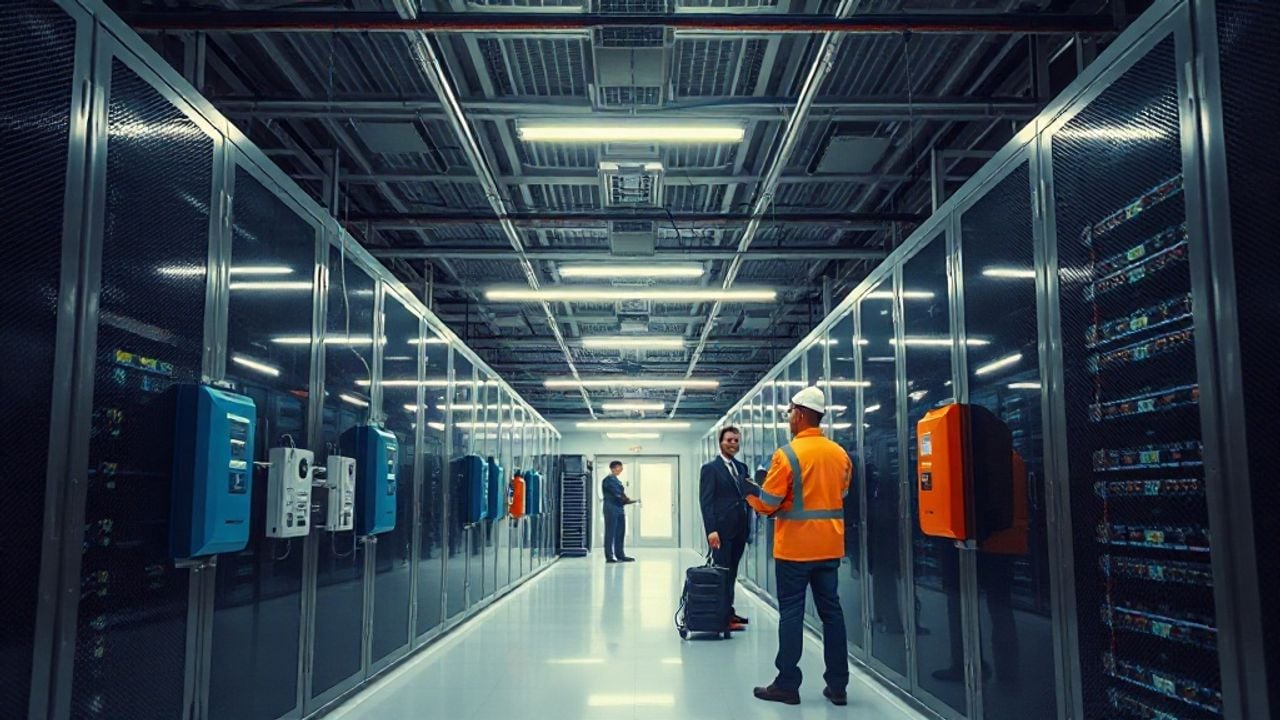 data center space for leasecolocation data center near me
 Frequently asked questions
What is data center space?
How do I choose a data center space provider?
How much does data center space cost?
Best Practices for Maximizing Data Center Efficiency